Beekeeping
My messy, exciting, occasionally terrifying journey into the world of bees.
So, here's the thing: when I first decided to get into beekeeping, I had absolutely no idea how deep the rabbit hole was, or even of its existence. I'd watched a couple of YouTube videos, read half a blog post, and thought, “How hard can it be? Bees basically take care of themselves, right?”
Wrong.
Painfully, hilariously wrong.
Below is my continuing attempt to understand how to take care of a hive without losing my mind—or the bees.
Getting the Hive Set Up
My first mistake was assuming a hive arrives pre-assembled. Turns out, you either buy it in pieces and put it together yourself (bad idea), or you get it assembled for you but pay extra (also a bad idea).
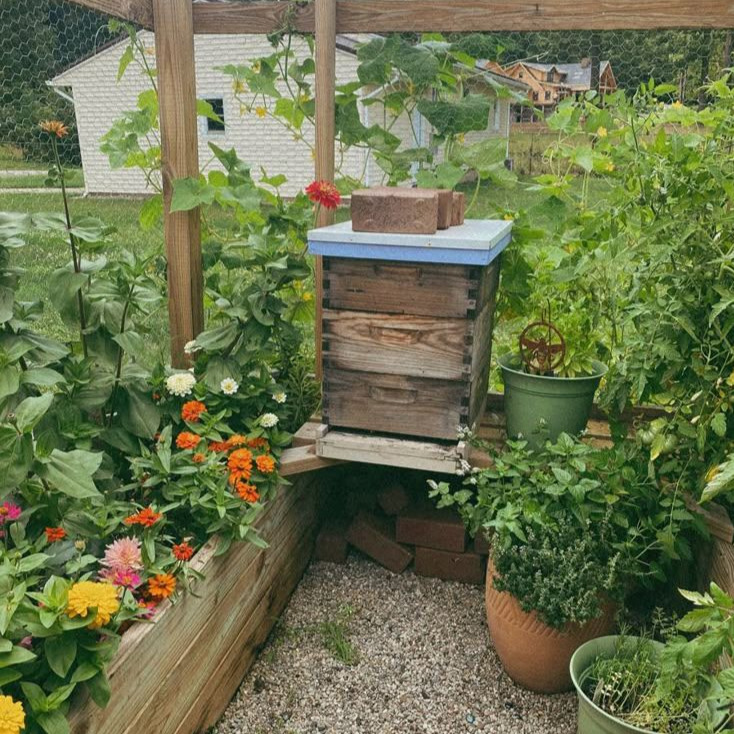
I went the DIY route (because of course I did). Imagine me, a hammer, and 40 pieces of wood that look almost identical but apparently have “very important differences.” I watched three tutorials, ignored all of them, and finally created something that vaguely resembled the instructions and stuck it in the middle of my tiny backyard garden.
Lesson learned: Wood glue is your best friend. And also your enemy when you get it all over your hands and accidentally stick them together while holding a hive frame.
Picking the Right Bees
Apparently, yes, there are wrong ones.
I had no clue you could choose what kind of bees you want. Italians, Carniolans, Russians... it felt like shopping for the world's most anxious pets.
I ended up getting Italian bees, mostly because every source described them as “gentle,” “productive,” and “unlikely to swarm dramatically for no reason.” Just like me :D
When my package of bees arrived, I stared at the vibrating box for a good 20 minutes before opening it. It hummed ominously, like a tiny, fuzzy refrigerator full of judgment.
Installing the Bees
This is the part every video makes look easy. Spoiler: it isn't.
You’re supposed to:
- Spray the bees lightly with sugar water
- Shake them gently into the hive
- Insert the queen cage
- Close the hive and let them settle in
What actually happened:
- I sprayed too much sugar water and created a sweet, sticky cloud around myself
- The bees did not “shake gently” — they exploded out of the box in a buzzing wave
- I dropped the queen cage (don’t worry, she survived; the bees judged me for it, though)
- I closed the hive slightly crooked and had to open it again while they were already irritated
But, after all that, the bees DID settle in, and I felt like an amateur bee-whisperer.
Feeding the Hive
New colonies need food, especially early on. The internet told me to make a simple sugar syrup: 1 part water, 1 part sugar.
Easy, right?
Unless you’re me and accidentally create caramel because you got distracted thinking about how many bees have probably crawled on your face without you noticing.
Fortunately, the second batch worked. I poured it into the feeder, placed it in the hive, and watched as the bees immediately swarmed it like it was a tiny, bee-sized buffet.
First Inspection: Oh no...
After a week, I opened the hive to check if the queen had been released and if the bees were building comb. My notes from that day read:
"There is wax. There are bees. They are looking at me. Is this enough information? Probably not. Will I elaborate? Also probably not."
I learned two important things:
- Bees get louder when you open the hive. Not angrier—just louder. Like opening a window in a building next to a busy street.
- Fresh honeycomb is unbelievably pretty. It looks like something you’d see in a nature documentary narrated by a (way too) calm British man.
The queen was alive and doing whatever the hell queens do, which was a massive relief.
The Great Hive Mess-Up
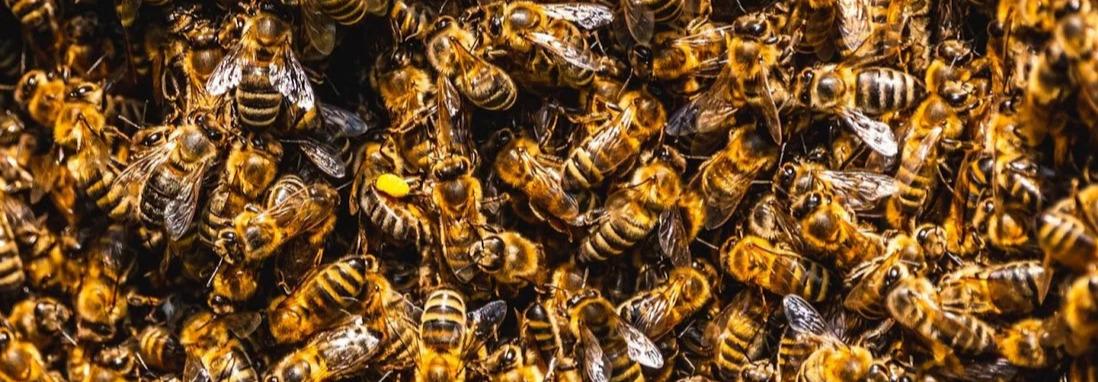
Around week three, I noticed the bees looked... crowded. There were bees on top of bees on top of bees. I figured they needed more space, so I added another hive box.
Too early. Way too early.
Adding extra space before the colony is strong enough just makes the bees confused and stressed, like giving a toddler their own apartment. They wandered around the empty upper box, bumping into walls and accomplishing nothing.
A local beekeeper later told me:
“If they can't keep the space warm, they won't use it.”
Which was a massive disappointment, because now I had an extra hive box I had no idea what to do with.
ARE THOSE MITES?
One morning I found a strange-looking bee crawling near the entrance. Its wings looked shredded, and its body was oddly small. Cue panicked Googling.
Turns out, this can happen when bees are stressed or underfed—not necessarily mites. But that didn't stop me from spiraling into a 3-hour reading session about Varroa destructor, the tiny enemies of joy.
I ended up ordering a mite check kit. The bees were fine, but I learned a lot—and now I feel like I have a degree in tiny parasitic villains, I do not, but that won't stop me from feeling like I do.
The Unexpected Joys
Despite the chaos, there are moments of pure magic:
- Watching bees return covered in brightly-coloured polen
- Seeing a brand-new worker chew her way out of a cell
- Realizing how gentle they can be when they trust you
- Smelling the inside of the hive (it's like being stuck into a mason jar full of honey)
Beekeeping feels like tending a miniature city full of fuzzy, overworked citizens... as their god.
What's Next?
I'm hoping to:
- Survive my first honey harvest
- Learn how to prevent swarming (something I am slowly losing hope of ever doing)
- Attempt not to panic when I see queen cells
- Grow the hive strong enough for winter
- Maybe start a second colony if I'm feeling brave (or foolish)
If you want to follow the journey, check back for updates—I promise I'll keep documenting my successes, my failures, and my occasional bee-related existential crises.
Welcome to the chaos, I hope you stay for the honey.